Most business owners think the videographer handles everything. And they do — the camera, the lighting, the sound, the edit. But there's a whole category of preparation that only you can do, and it determines whether your video is average or exceptional.
After 10+ years and over a thousand shoots, I can tell you with certainty: the gap between a video that performs and one that falls flat almost always comes down to what happened before the camera turned on. Not during production. Before it.
This guide walks you through everything you need to do in the two weeks before your shoot, the day before, and on shoot day itself. Follow it and your production team will thank you. More importantly, your final video will show it.
Why Preparation Is the Most Valuable Thing You Can Do
Production time is expensive. Whether you're paying by the hour or working on a flat-rate project, time on set is the hardest thing to recover once it's gone. A location that wasn't scouted causes 45-minute delays when unexpected construction noise forces a move. A talking point that wasn't practiced means 20 takes of the same line instead of three.
The videographer controls the technical side of your shoot. You control the human side. And the human side — what you say, how you look, who shows up, where you are — has at least as much impact on the final product as any camera or lighting choice.
Preparation is the one investment in your production that costs nothing but time. Use it wisely and your shoot runs faster, your footage is better, and your finished video is closer to what you envisioned.
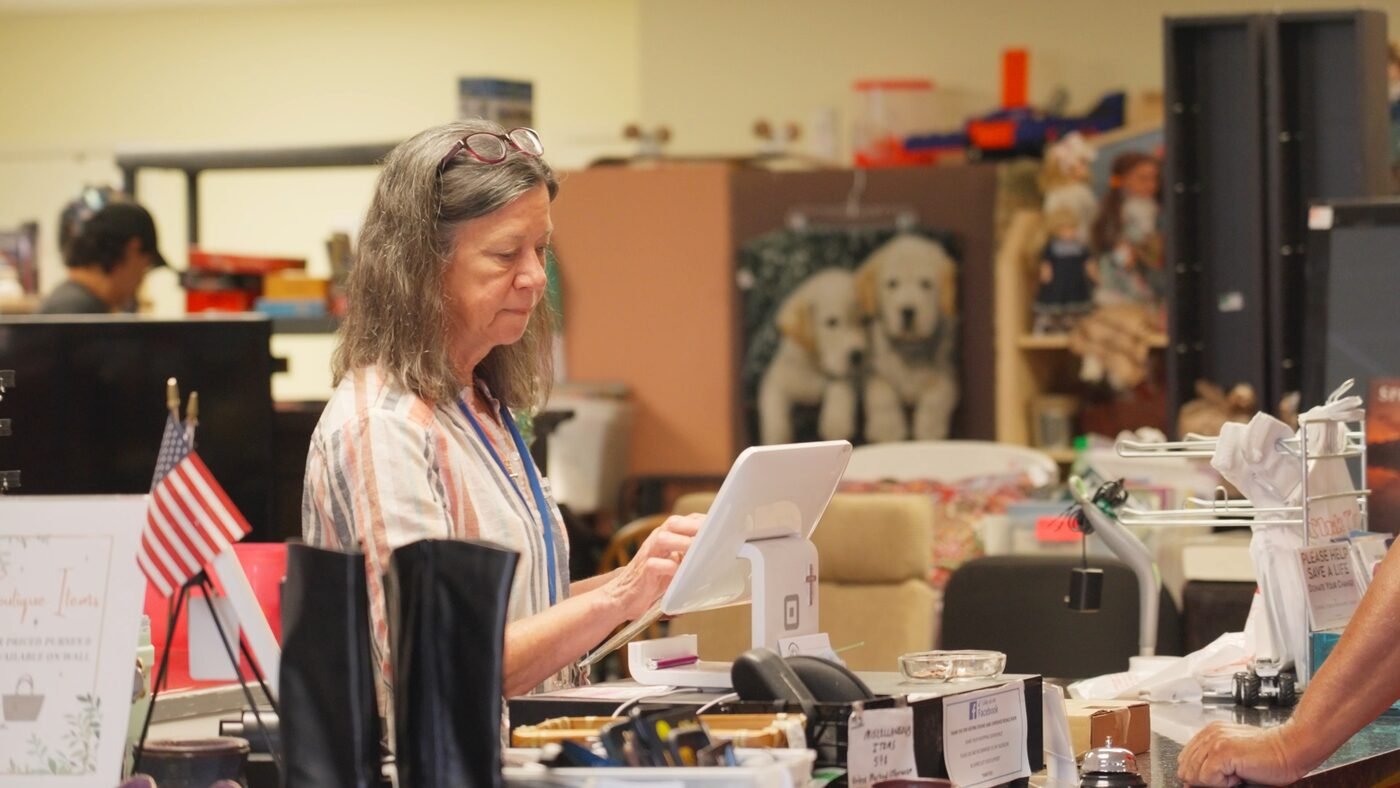
Location Scouting: Two Weeks Out
Your location does more work than most business owners realize. It's not just a backdrop — it's part of your brand message. A home services company filming in a cluttered garage communicates something very different from the same company filming in a clean, organized shop environment.
Visit your location at the same time of day as your planned shoot. Where does the sun come from at 10 a.m.? Is there a window that blows out the background? Is the conference room actually as large as you remember, or will a camera and crew fill it?
Listen for ambient noise. The HVAC unit that you've tuned out completely is extremely audible on a microphone. The restaurant next door that opens at 11 a.m. wasn't a problem when you scouted at 9 a.m. These details matter enormously and are easy to miss.
Consider your background deliberately. What's behind you in the frame? A blank wall is boring. A cluttered bulletin board is distracting. Logo elements, branded props, products in context, or genuine workspace activity all communicate something useful about your business.
The best locations feel authentic, not staged. Your actual workspace, serving your actual customers, doing your actual work — these are more compelling than any rented studio space. Don't overthink it. Just make sure it's clean, relevant, and quiet.
Messaging Prep: What You're Actually Going to Say
This is where most business owners underinvest. They assume they'll just talk naturally about their business on camera. And they will — it's just that the first five takes will be unorganized, overlong, and focused on the wrong things.
Know your three core messages. What are the three things every viewer of this video absolutely must understand about your business? Not twenty things. Three. Write them down. Practice saying each one out loud until it sounds like you're saying it for the first time, not reading it from memory.
Understand who you're talking to. A testimonial video for a B2B software company is different from a brand video for a local restaurant. The language, the tone, and the level of detail are all different. Talk to your videographer about the audience so you can calibrate accordingly.
Prepare for the questions, not a script. Your videographer will probably ask you questions and capture your answers as raw material. Know what you want to say about your process, your differentiators, and your customer outcomes. But don't memorize a speech. Internalized messages come out naturally. Memorized scripts sound wooden.
Wardrobe: What to Wear (and What to Avoid)
Camera and clothing interact in ways that aren't always intuitive. A few simple rules will save you from the most common problems.
Solid colors work best. Busy patterns — herringbone, fine stripes, small checks — create a visual interference called moiré on camera that looks like shimmering or a crawling effect on fabric. It's distracting and hard to fix in post-production.
Avoid pure white and pure black. Bright white tops blow out in exposure — the camera struggles to simultaneously expose both your face and your shirt. Pure black loses all detail in shadow areas. Mid-tones — navy, burgundy, forest green, gray — all work beautifully on camera.
Dress one level above normal. If you typically see customers in a polo and jeans, shoot in a button-down and slacks. If you typically wear business casual, consider a blazer. You want to look polished and intentional, not casual or underdressed.
Bring two options. Have a backup outfit on shoot day in case something doesn't work on camera. Colors and patterns that look fine in person sometimes don't translate. Give yourself options.

Briefing Your Team: 48 Hours Out
If anyone else is appearing on camera — staff, customers, colleagues — they need to know what's happening. Springing a video shoot on someone the morning of is a recipe for a nervous, unprepared performance and production delays.
Tell them the purpose of the video and what they'll be asked to discuss. If it's a testimonial, tell them to think about specific outcomes — numbers, before-and-after, moments of realization. Specificity is what makes testimonials memorable.
Give them wardrobe guidance. Same rules as above. If you're shooting uniformed staff, make sure the uniforms are clean and pressed. Small details like this take 30 seconds to handle in advance and 20 minutes to fix on the day.
Brief them on timing and location. Where to show up, when, and where to wait when they're not on camera. Having unprepared people wandering in and out of the frame slows everything down.
Planning your first professional video shoot?
Book a free 30-minute call. We'll walk you through exactly what to prepare and what to expect.
Book My Free Call →No commitment · No pressure · Just a conversation
Day-of Logistics: The Morning Checklist
Confirm the schedule the night before. Send a final confirmation to your videographer, your team members, and anyone whose space you're using. Miscommunications about timing are frustratingly common and entirely preventable.
Arrive early. Your videographer will need 30–60 minutes to set up equipment before the shoot begins. If you arrive at the same time they do, you're in their way during setup and not in the mindset you need to be in before going on camera.
Turn off or silence everything. Phones, tablets, computer notification sounds, anything that might interrupt a take. Alert nearby staff or businesses about the shoot if ambient noise from them might be an issue.
Have water available. Talking on camera dries out your throat. A dry throat makes your voice sound different and requires more takes. Keep water nearby throughout the shoot.
What to Expect on Set
The first few minutes on camera feel uncomfortable for almost everyone. This is normal. Give yourself permission to have bad takes early. The job in the first 15 minutes is to warm up, not to nail it.
Your videographer will direct you. Listen to the direction. If they ask you to slow down, it's because your pace on camera doesn't match what sounds natural in the edit. If they ask you to move slightly, it's because of something in the frame you can't see from your position. Trust the feedback.
Multiple takes are normal. A take that feels slightly off to you might be exactly what was needed on camera, and vice versa. Don't judge your own performance in real time — let the videographer make that call.
The shoot will take longer than you expect. Budget at least 20% more time than your videographer estimates, because something unexpected always comes up. A deliveryman who shows up mid-interview. A phone that rings despite being on silent. A cloud that changes the light. These things happen. The shoot time you built in handles them.
Common Questions About Video Shoot Preparation
Ideally start preparation 2 weeks before shoot day. That gives you time to confirm location logistics, prepare your talking points, handle wardrobe, and brief any staff who will appear on camera. Rushing prep in the 24 hours before a shoot is the most common cause of wasted production time.
Solid colors in mid-tones work best. Avoid bright white (blows out on camera), pure black (loses detail), and fine patterns like herringbone or tight stripes (creates moiré interference on camera). Dress one notch above how you'd normally present yourself to a customer. Business casual is usually right.
Not necessarily a word-for-word script — but you do need clear talking points. Know the 3 things you want every viewer to understand about your business. Practice saying each one out loud at least 10 times before the shoot. Memorized scripts often sound stiff. Internalized messages sound natural.
Overloading the schedule. Business owners often want to capture everything in one day. The result is rushed shots, stressed talent, and footage that doesn't feel authentic. Better to do fewer things well than many things adequately. Trust your videographer's guidance on what's realistic.
Brief every person appearing on camera at least 48 hours in advance. Tell them the purpose of the video, what they'll be asked to talk about, and what to wear. People who are surprised on shoot day perform worse and make the production take longer. Simple preparation makes a significant difference.
Next Steps: Planning Your Video Project
Good preparation doesn't happen on its own — it happens when you start the conversation with your production team early enough to do it right. The earlier you engage, the better the prep, and the better the final video.
If you're in the planning stages of a video project and want to understand what the full preparation process looks like, book a free call. We'll walk through your goals, your timeline, and exactly what you'll need to do before shoot day to make the most of your production investment.
Related reading: How to Choose a Videographer | Video Marketing for Small Business | What Video Production Actually Costs